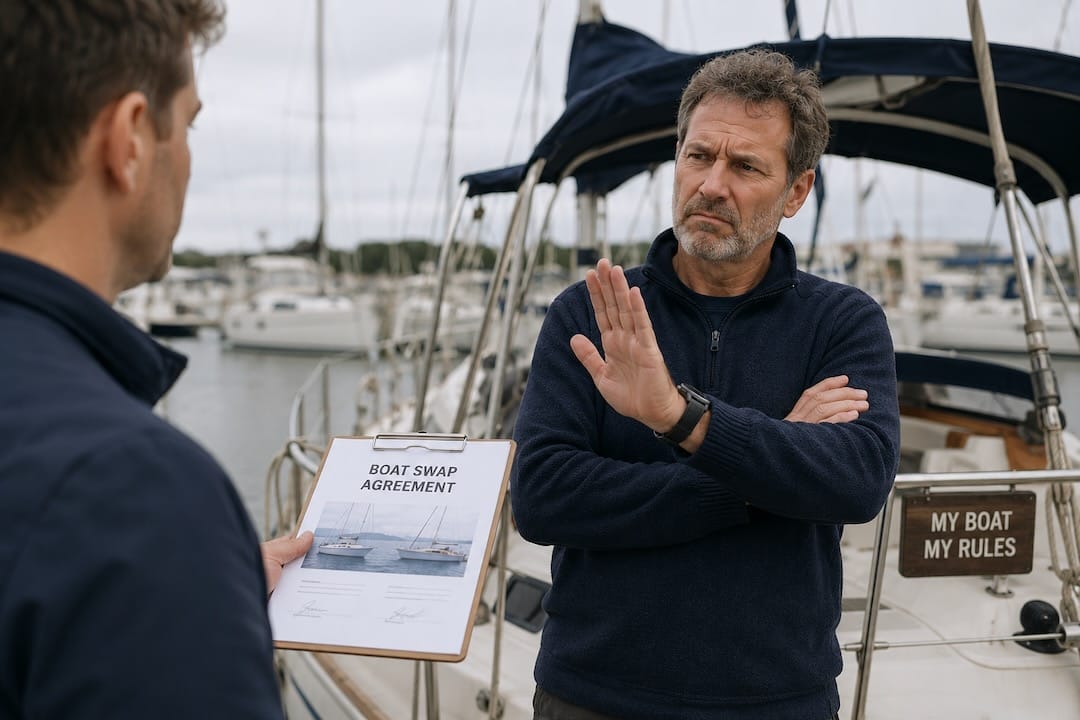
Why Most Boat Owners Will Never Swap Their Boat
Most boat owners will never swap their boat.
Not because boat swapping doesn’t work. Not because it’s illegal. Not because it’s impossible.
Simply because most owners will never become comfortable with the idea of somebody else stepping aboard their boat, casting off the lines, and sailing away.
And that’s understandable.
For many of us, a boat isn’t just an asset. It’s years of work, maintenance, upgrades, repairs, dreams, frustrations, and memories wrapped up in fiberglass and stainless steel. It’s the boat you spent every weekend sanding, painting, fixing, and improving. It’s the boat you researched for months before buying. It’s the boat that carried you through your first overnight passage, your first storm, or perhaps across an ocean. By the time most owners have spent a few seasons aboard, they know every creak, every quirk, every switch, and every little job that still needs doing.
It’s not really surprising that most boat owners won’t swap.
But some will.
And those willing to take a calculated risk can unlock opportunities that might otherwise be out of reach.
Your Boat Is Personal
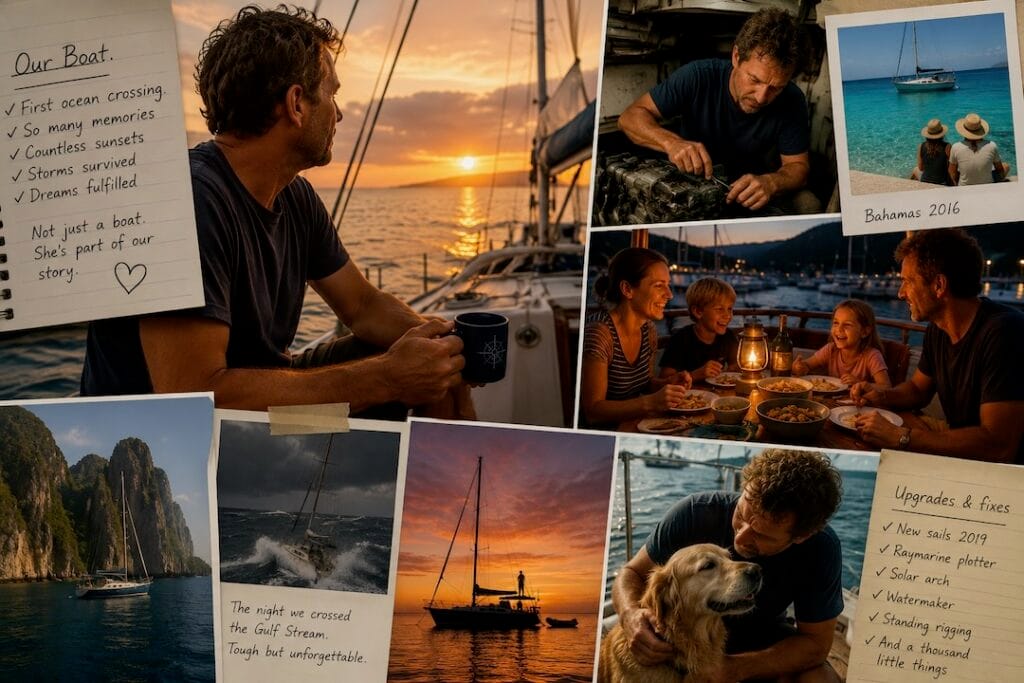
If you ask a boat owner what they think their boat is worth, they’ll usually have two figures in mind.
The first is the market value.
The second is what it’s actually worth to them.
The two numbers are rarely the same.
When you think about what your boat’s worth to you, there are two things that you’re thinking about.
There’s the time and money an owner pours into their boat. The story behind the new sails, the engine rebuild, the electronics upgrade, the anchor upgrade, or the countless weekends spent chasing electrical gremlins.
Then there’s the sentimental value. The memories. The first anchorage that felt like paradise, the night they rode out a gale, the dolphins that appeared unexpectedly off the bow, or the sunset that convinced them they’d made the right decision buying a boat in the first place.
That’s why many owners struggle with the idea of a swap. Handing over the keys can feel a little like lending a stranger your home, your car, and your favorite family photo album all at once. Even if logic says the arrangement makes sense, emotion often says otherwise.
Sailors Know Exactly What Can Go Wrong
Ironically, the people best qualified to participate in boat swaps are often the most skeptical.
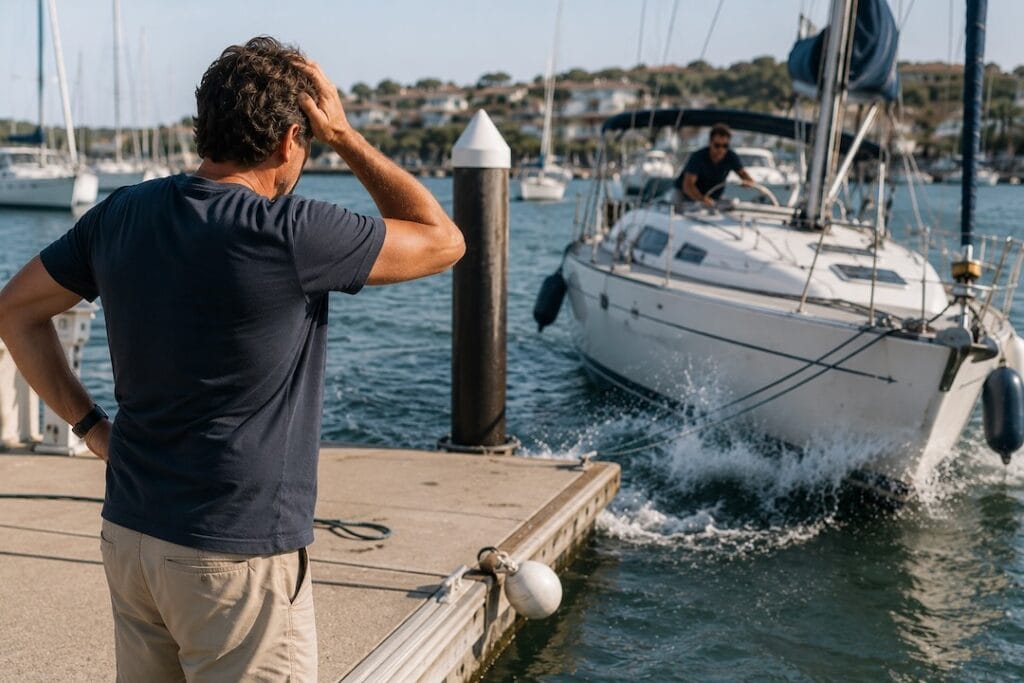
Sailors know exactly how easy it is to damage a boat, even when you know what you’re doing. A poorly judged docking maneuver can bend a stanchion or scrape a topside. A rushed anchoring attempt can end with a fouled propeller. A missed weather forecast can turn an enjoyable sail into a difficult and expensive lesson. Most boat owners have spent enough time around marinas to witness incidents ranging from mildly amusing to painfully expensive.
They’ve seen boats dragged onto rocks, windlasses ripped from decks, sails shredded, hulls scratched, and engines destroyed by simple mistakes. They’ve watched people attempt to dock in conditions they had no business being in. They’ve seen owners neglect maintenance until small issues became major failures.
So when somebody says, “Why don’t you just swap boats?” many owners immediately start imagining worst-case scenarios. In their minds, the boat leaves the dock in perfect condition and returns with a list of problems that would take months and thousands of dollars to fix.
That’s not irrational. It’s simply the perspective of somebody who understands what’s at stake.
We Are Surprisingly Comfortable With Other Risks
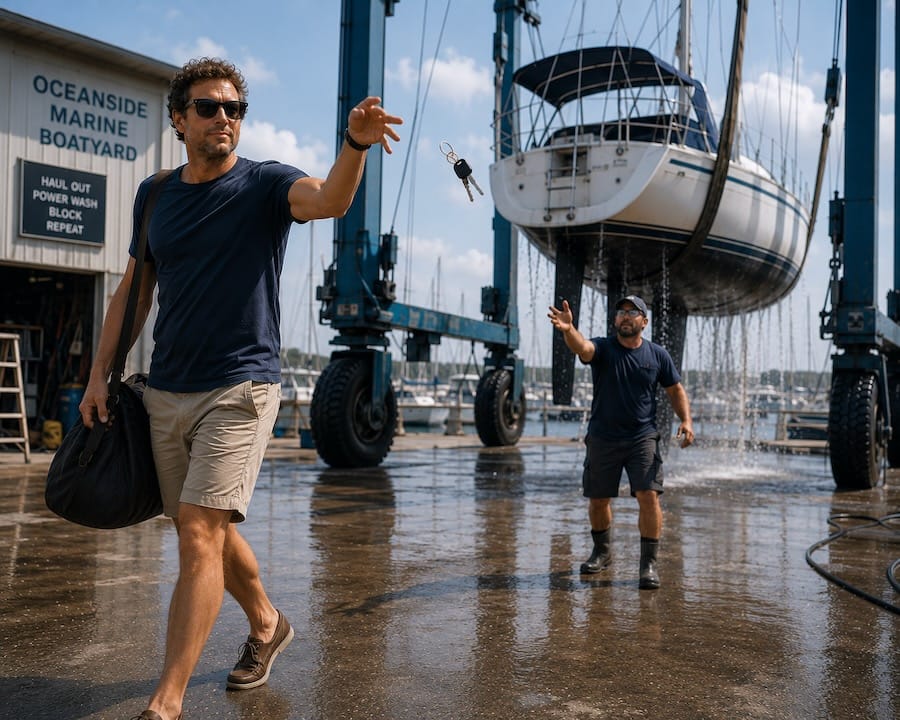
Many boat owners worry about somebody damaging their boat during a swap. Yet those same owners routinely accept other risks without giving them nearly as much thought. They leave their boats unattended in marinas for months at a time. They trust boatyards to haul, launch, move, and store them. They hand keys to mechanics, electricians, riggers, surveyors, and delivery skippers. They invite friends and family aboard who may have little boating experience. Some even place their boats into charter fleets where dozens of strangers use them every season.
The point isn’t that boat swapping is risk-free.
It isn’t.
The point is that boat owners already make risk-related decisions every day. The entire activity of boating involves accepting risk. We accept the possibility of equipment failure when we leave the dock. We accept the uncertainty of the weather when we head offshore. We accept that even the best-maintained boats can suffer unexpected breakdowns.
The question isn’t whether risk exists.
The question is whether the potential reward justifies it.
Most Boats Spend More Time Waiting Than Sailing
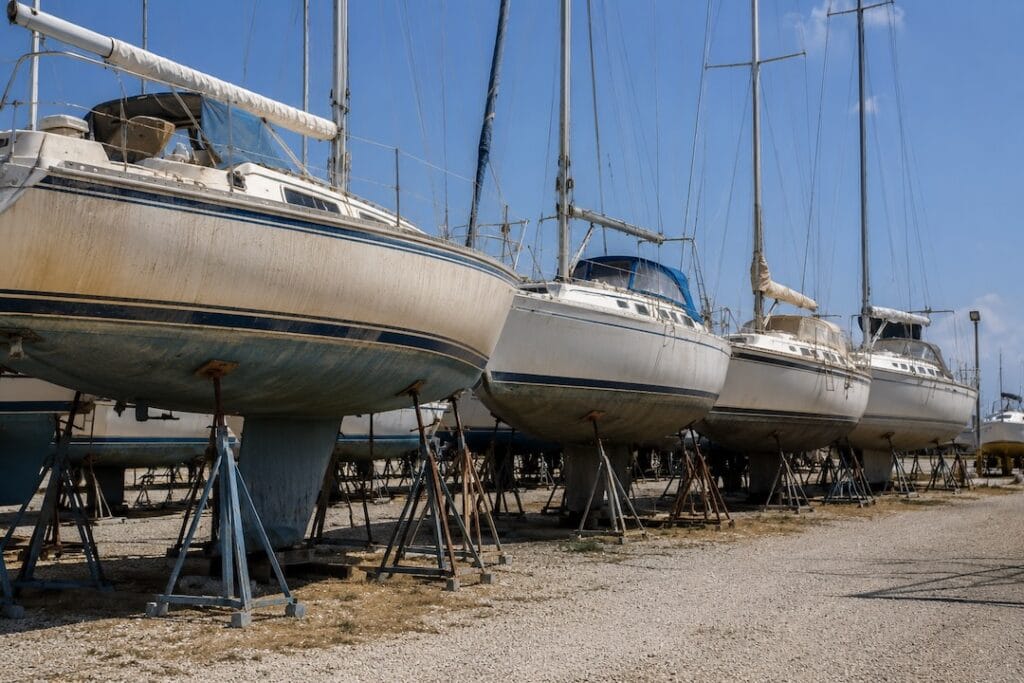
The truth is, while boat owners spend their time dreaming up worst-case scenarios. Their boats are often left unused for long periods, slowly degrading.
Most cruising boats spend the overwhelming majority of their lives unused. They sit in marinas waiting for annual leave. They sit on hardstands waiting for next season. They float on moorings while owners fly home for work commitments. Many eventually become retirement projects waiting for a future that never quite arrives.
Meanwhile, the costs continue. Marina fees, insurance premiums, maintenance, depreciation, haul-outs, antifouling, rig inspections, engine servicing, and countless other expenses continue whether the boat moves or not.
For many sailors, time—not money—is the scarcest resource. Most owners don’t wish they’d spent more money on their boat. They wish they’d spent more time using it.
A boat swap creates the possibility of extracting more value from an asset that spends much of its life sitting still. Rather than allowing the boat to remain unused while you’re elsewhere, it may be possible to exchange that unused time for access to another cruising ground entirely.
The Upside Can Be Enormous
Imagine spending a summer sailing the Greek Islands. Or the Caribbean. Or New Zealand. Or the Pacific Northwest. Or exploring the coastlines of Croatia, Turkey, or French Polynesia.
Traditionally, there are only a handful of ways to do that. You can buy another boat, which is expensive. You can ship your existing boat around the world, which is often even more expensive. Or you can charter, which can cost thousands of dollars per week before you’ve even bought groceries or paid marina fees.
For the right owner, boat swapping offers another possibility.
The financial savings can be substantial, but the real benefit is access. Access to destinations, experiences, and adventures that might otherwise remain firmly on the bucket list. Access to local knowledge from another owner who already understands the cruising area. Access to a level of freedom that is difficult to achieve through traditional travel arrangements.
A successful boat swap doesn’t just save money. It opens doors.
Why Some Owners Are Willing To Try
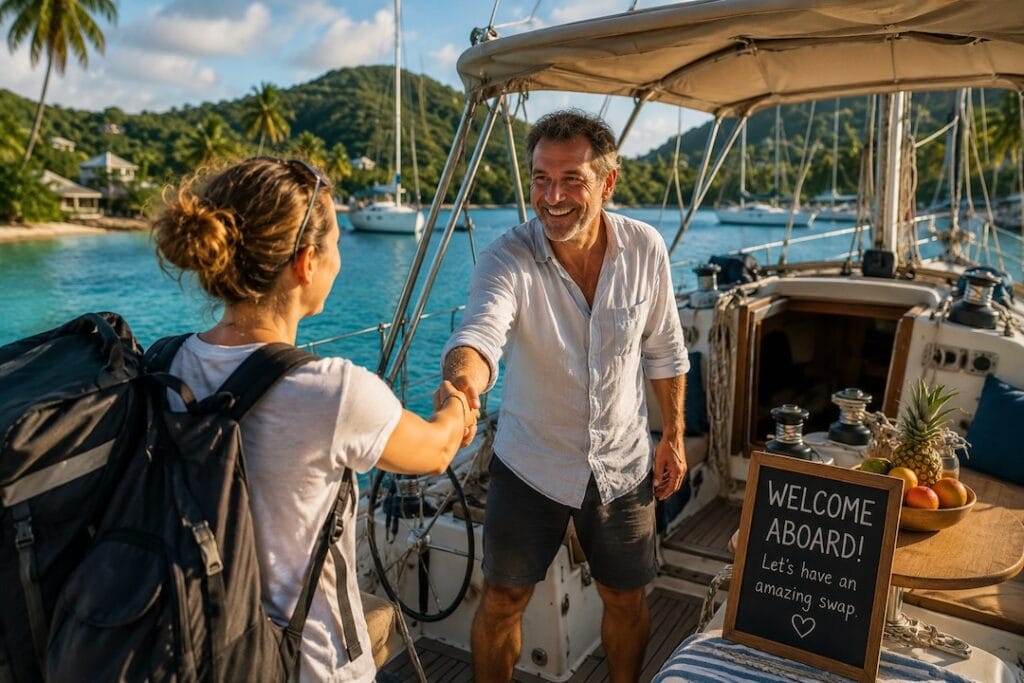
The owners who successfully swap boats don’t ignore the risks.
They simply approach them differently.
They ask questions. They exchange references. They verify experience levels. They discuss insurance. They create inventories. They produce handover documents and walkthrough videos. They communicate extensively before the swap ever takes place.
In other words, they don’t trust blindly.
They build trust, deliberately.
The result isn’t a risk-free arrangement. No sailing activity is ever risk free. Instead, it becomes a managed risk, and that’s a concept sailors understand better than most. Every voyage involves uncertainty. Every passage involves decisions. Every skipper weighs potential risks against potential rewards.
Good seamanship isn’t about eliminating risk entirely.
It’s about understanding it, preparing for it, and deciding when the opportunity is worth pursuing.
Boat Swapping Isn’t For Everyone
And that’s perfectly fine.
Some owners will never be comfortable with the idea. Some have no desire to sail anywhere other than their home waters. Some enjoy improving and maintaining their own boat more than exploring new cruising grounds. Others are simply in a stage of life where the additional planning isn’t worth the effort.
Boat swapping doesn’t need to appeal to everyone.
In fact, it probably never will.
It only needs to appeal to the relatively small number of owners who look at the potential upside and decide it’s worth exploring.
The Real Opportunity

The biggest obstacle to boat swapping isn’t insurance, paperwork, regulations, or logistics.
It’s mindset.
Most owners stop at the first question:
“What if something goes wrong?”
It’s a fair question.
But a smaller group asks a second one:
“What if it works?”
What if a few weeks of preparation unlocks a summer sailing somewhere you’ve always wanted to explore? What if a boat that’s sitting unused could become your ticket to another cruising ground on the other side of the world? What if the rewards are large enough to justify the effort required to make the arrangement safe and successful?
Those owners are the ones who gain access to new destinations, new friendships, new experiences, and new adventures without the cost of buying another boat or paying charter rates year after year.
Most boat owners will never swap their boat.
But for those willing to take a calculated risk, the rewards can be far greater than they first appear.


